
In Maine, a home’s entryway does far more than provide a path from the outdoors to the indoors. It serves as the first line of defense against snow, mud, rain, sand, wet boots, winter gear, and everything else that comes with living in New England. For homeowners exploring new construction homes in Maine, the mudroom has become one of the most practical and valuable spaces in the entire house. When designed thoughtfully, a mudroom can help keep the rest of the home cleaner, more organized, and better suited to the realities of daily life.
Why Mudrooms Matter
Maine’s climate creates unique challenges for homeowners throughout the year. Winter often means snow-covered boots, heavy coats, hats, gloves, and ice-covered gear. Spring introduces mud season, when melting snow and saturated ground can create constant cleanup challenges. Summer brings beach equipment, hiking gear, gardening supplies, and sports equipment, while fall often includes wet leaves and outdoor recreation gear.
Without a designated transition space, these items quickly migrate throughout the home, creating clutter and increasing maintenance requirements.
A well-designed mudroom helps contain these challenges in a single area, preventing dirt, moisture, and outdoor debris from spreading into living spaces. For families with children, pets, or active outdoor lifestyles, this functionality can make a significant difference in day-to-day living.
Designing Around Real-Life Traffic Patterns
One of the biggest mistakes homeowners make when planning a mudroom is focusing solely on aesthetics instead of functionality.
The most successful mudrooms are designed around how people actually enter and exit the home. We often begin by evaluating daily traffic patterns to determine the ideal location for the space.
In many custom homes, the mudroom is positioned between the garage and the main living area. This placement creates a natural transition zone where family members can remove coats, shoes, backpacks, and outdoor gear before entering the rest of the home.
For homes without attached garages, mudrooms near side entrances or rear entrances often provide similar benefits.
Understanding how family members move through the home allows our designers to create a layout that minimizes congestion while maximizing convenience.
Storage Is the Foundation of a Functional Mudroom
The difference between a mudroom that works and one that becomes cluttered often comes down to storage.
Every item entering the space should have a designated location. This principle helps maintain organization while making daily routines easier.
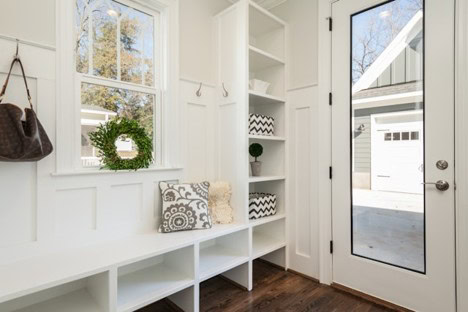
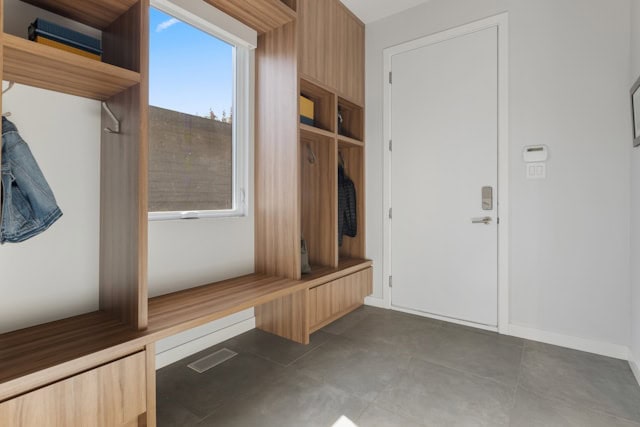
Custom cabinetry is often one of the most valuable investments homeowners can make in a mudroom. Built-in storage solutions provide designated spaces for shoes, boots, jackets, seasonal gear, and household essentials.
Many custom home designs include:
- Individual lockers for family members
- Open cubbies for frequently used items
- Overhead storage for seasonal gear
- Cabinets for cleaning supplies
- Hidden compartments for pet accessories
The goal is not simply to add storage but to create storage that aligns with the family’s lifestyle.
A family with young children may prioritize backpack storage and sports equipment organization, while outdoor enthusiasts may require space for hiking gear, fishing equipment, or winter recreation supplies.
Built-In Benches Improve Everyday Convenience
One of the most practical features in a mudroom is a built-in bench.
Although simple in concept, benches provide a comfortable place to sit while removing boots, putting on shoes, or organizing belongings before heading out the door.
Custom-built benches often include integrated storage underneath, maximizing functionality without increasing the room’s footprint.
This feature is especially valuable during Maine winters, when bulky footwear and heavy outerwear become part of daily life.
Rather than standing awkwardly while balancing on one foot, homeowners can comfortably transition between indoor and outdoor activities.
Flooring That Can Handle New England’s Weather Conditions
Mudrooms experience some of the highest wear and tear of any room in the home.
As a result, flooring selection should prioritize durability and maintenance rather than appearance alone.
We often recommend materials that can withstand moisture, dirt, salt, and temperature fluctuations without significant deterioration.
Popular options include:
- Porcelain tile
- Luxury vinyl plank flooring
- Natural stone
- Sealed concrete
These materials offer durability while remaining relatively easy to clean.
Choosing the right flooring can significantly reduce long-term maintenance requirements and help preserve the appearance of the space despite heavy use.
Accommodating Seasonal Lifestyle
One of the advantages of building a custom home is the ability to design spaces around local lifestyles and environmental conditions. This often means creating mudrooms that function effectively throughout all four seasons.
Winter storage needs differ significantly from summer requirements. Ski equipment, snowshoes, and insulated outerwear require different accommodations than beach bags, bicycles, and gardening supplies.
Flexible storage solutions help homeowners adapt the space as seasons change.
Adjustable shelving, movable baskets, and modular storage systems can provide year-round versatility without requiring major modifications.
By anticipating seasonal transitions during the design phase, homeowners can create mudrooms that remain functional throughout the year.
Incorporating Pet-Friendly Features
Many families share their homes with dogs, and mudrooms provide an ideal location for pet-focused design features.
By incorporating elements such as:
- Built-in dog washing stations
- Pet supply storage
- Feeding stations
- Leash hooks
- Durable flooring designed for pets
These additions help simplify pet care while reducing the likelihood that muddy paws will leave tracks throughout the home.
For families who spend significant time outdoors with their pets, these features can quickly become some of the most appreciated aspects of the home’s design.
Creating a Secondary Household Command Center
Modern mudrooms often serve purposes beyond simply storing outdoor gear.
Many homeowners now use these spaces as organizational hubs that help manage busy schedules and household responsibilities.
Features commonly included in custom mudroom designs include:
- Charging stations for devices
- Family calendars
- Mail sorting systems
- Key storage
- Message boards
These elements transform the mudroom into a central location for coordinating daily activities.
Rather than searching throughout the home for essential items, family members can access everything they need in a single, organized space.
Maximizing Space in Smaller Homes
Not every custom home includes a large mudroom, but even modest spaces can deliver significant functionality when designed thoughtfully.
Efficient layouts often focus on vertical storage, built-in solutions, and multi-purpose features.
Wall-mounted hooks, overhead cabinets, narrow benches, and floor-to-ceiling storage can dramatically increase usability without requiring extensive square footage.
For smaller homes, careful planning often matters more than room size.
An intelligently designed compact mudroom frequently outperforms a larger space with poor organization.
Connecting the Mudroom to Adjacent Spaces
One trend gaining popularity in custom home design is integrating mudrooms with other practical areas of the home.
Mudrooms are often connected directly to:
- Laundry rooms
- Garages
- Pantry areas
- Utility rooms
These combinations create highly functional household zones that improve workflow and efficiency.
For example, locating the laundry room adjacent to the mudroom allows homeowners to quickly manage wet clothing, muddy towels, and outdoor gear without carrying items through the house.
These connections help streamline household tasks while reducing clutter in primary living spaces.
Balancing Function and Style
While functionality remains the primary goal, modern mudrooms can also contribute to a home’s overall design aesthetic.
Homeowners increasingly view mudrooms as an extension of the home’s interior rather than a purely utilitarian area.
Popular design features include:
- Shiplap walls
- Custom millwork
- Decorative lighting
- Coordinated cabinetry
- Natural wood accents
- Durable designer finishes
The result is a space that feels welcoming while still serving its practical purpose.
A well-designed mudroom can create a strong first impression while supporting the demands of everyday life.
Planning Ahead During the Home Design Process
The best mudrooms are rarely created as last-minute additions.
Instead, they are carefully considered during the earliest stages of custom home planning.
Our builders can help homeowners identify storage requirements, traffic patterns, and organizational needs before construction begins.
This proactive approach allows the mudroom to be fully integrated into the home’s layout rather than squeezed into leftover space.
Thoughtful planning often results in a room that feels natural, efficient, and highly functional from the first day of occupancy.
Building a Home That Works Every Day
While kitchens and living rooms often receive the most attention during the design process, mudrooms frequently become one of the most appreciated spaces in a completed home. Their ability to manage clutter, organize belongings, and simplify daily routines makes them an essential feature for many Maine families.
A successful mudroom is not defined by its size or luxury finishes. It succeeds because it supports the way homeowners actually live. By incorporating smart storage, durable materials, thoughtful layouts, and features tailored to local lifestyles, custom home builders can create mudrooms that deliver value every day of the year.
For families building a custom home in Maine, investing time and attention into mudroom design can result in a space that quietly improves comfort, organization, and functionality for years to come.