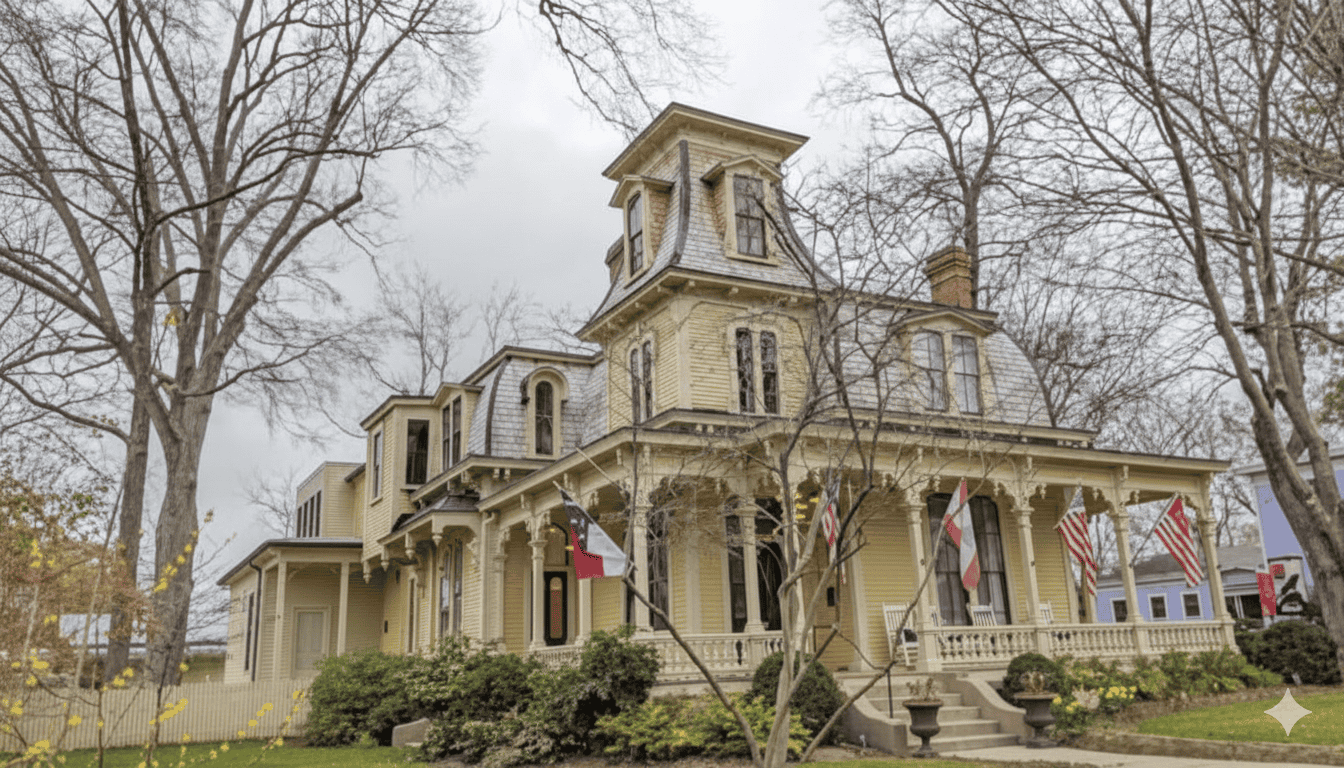

The modern home is no longer confined to four walls. Across the country, homeowners are reimagining how they use their properties by transforming patios, decks, gardens, and backyards into fully functional outdoor living environments. This shift is influencing everything from architecture and landscaping to furniture design and smart technology integration. Many homeowners are now working closely with building contractors in Maine to create residences that seamlessly connect indoor comfort with outdoor functionality. As lifestyles evolve and people place greater emphasis on relaxation, entertainment, and wellness at home, outdoor living spaces have become one of the most significant drivers of residential design trends.
The Rise of Outdoor-Centered Living
Outdoor spaces have evolved from simple backyard additions into essential components of home design. Homeowners increasingly view their outdoor areas as extensions of their interiors rather than separate recreational zones. This transformation has been fueled by changing lifestyle priorities, including a stronger desire for work-life balance, family gatherings, wellness-focused living, and flexible entertainment spaces.
Architects and designers now approach residential projects with the understanding that outdoor living is not optional but expected. Floor plans are being developed to create a natural flow between interior and exterior environments, often incorporating large sliding glass walls, covered patios, and transitional spaces that blur the boundary between inside and outside.
This shift has also influenced how homeowners evaluate properties. Spacious outdoor areas are now viewed as valuable assets that enhance both quality of life and long-term property value.
Open-Concept Design Extends Outdoors
Open-concept interiors previously dominated residential architecture for years, but now that philosophy is expanding into exterior spaces. Homeowners are seeking continuity between indoor and outdoor environments through coordinated materials, complementary color palettes, and cohesive design themes.
Large retractable doors and floor-to-ceiling windows help merge living rooms and kitchens with patios and outdoor lounges. This integration creates a seamless visual connection that makes homes feel larger and more inviting. Natural stone flooring, wood accents, and weather-resistant textiles are often selected to mirror interior aesthetics while standing up to outdoor conditions.
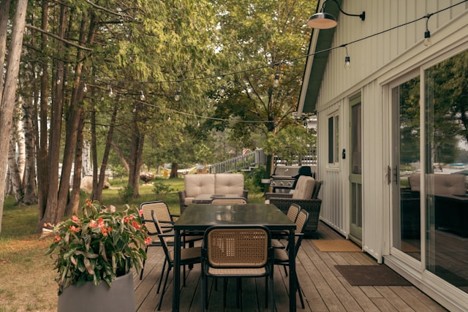
As a result, outdoor spaces increasingly resemble sophisticated indoor rooms rather than traditional patios. Comfortable seating, area rugs, decorative lighting, and stylish furnishings contribute to a polished and cohesive atmosphere.
Outdoor Kitchens Are Becoming Essential
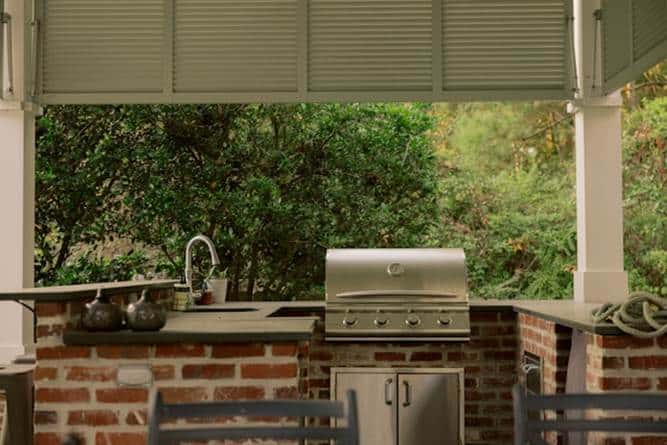
One of the biggest changes in residential design is the growing popularity of outdoor kitchens. What was once limited to a grill and picnic table has evolved into fully equipped culinary spaces complete with refrigerators, sinks, pizza ovens, storage cabinets, and bar seating.
Outdoor kitchens allow homeowners to entertain guests without constantly moving between indoor and outdoor spaces. They also encourage more time outside during warmer months, making backyards more functional and enjoyable.
Designers are now allocating larger portions of residential budgets toward outdoor culinary areas because buyers increasingly expect these features in high-end homes. Materials such as stainless steel, stone countertops, and weatherproof cabinetry ensure durability while maintaining visual appeal.
These outdoor cooking environments also reflect a broader cultural shift toward experiential living. Families are prioritizing shared experiences, social interaction, and relaxed gatherings over formal dining arrangements.
Wellness and Relaxation Influence Outdoor Design
Health and wellness trends are significantly shaping residential outdoor spaces. Homeowners are designing environments that promote relaxation, mindfulness, and physical well-being. As a result, outdoor living areas increasingly include features such as meditation gardens, yoga decks, hot tubs, plunge pools, and spa-inspired retreats.
Natural elements play an important role in creating calming environments. Water features, native plants, and shaded seating areas help establish peaceful outdoor sanctuaries where homeowners can disconnect from stress and technology.
Biophilic design principles are also becoming more influential in residential architecture. This approach emphasizes stronger connections between people and nature through natural lighting, greenery, and organic materials. Outdoor spaces are central to this philosophy because they provide direct access to fresh air and natural surroundings.
Many homeowners now view outdoor living areas as personal wellness investments rather than luxury upgrades.
Smart Technology Moves Outside
Technology is transforming outdoor spaces just as dramatically as it has interior environments. Smart outdoor systems now allow homeowners to control lighting, sound systems, security cameras, irrigation, and heating from mobile devices.
Outdoor entertainment systems have become particularly popular. Weatherproof televisions, integrated speakers, and automated lighting create immersive entertainment experiences suitable for gatherings, movie nights, and sporting events.
Smart pergolas and motorized shade structures are also changing outdoor design. These systems can automatically adjust based on sunlight, weather conditions, or user preferences, enhancing comfort throughout the day.
In colder climates, outdoor heating technologies such as infrared heaters and fire features extend the usability of patios and decks well beyond summer months. This increased year-round functionality makes outdoor investments more practical and appealing.
Sustainability Is Reshaping Landscaping Choices
Environmental awareness is having a major impact on outdoor residential design. Homeowners are becoming more conscious of water conservation, energy efficiency, and ecological responsibility when planning outdoor spaces.
Native landscaping has grown increasingly popular because it requires less water, fertilizer, and maintenance. Drought-resistant plants, rain gardens, and permeable paving solutions help reduce environmental impact while supporting sustainable living practices.
Solar-powered lighting systems and energy-efficient outdoor appliances are also becoming common additions to modern homes. These features align with broader sustainability goals while lowering long-term operating costs.
Sustainable outdoor design often emphasizes long-lasting materials that can withstand changing weather conditions without frequent replacement. Composite decking, recycled materials, and responsibly sourced wood products are increasingly favored for both environmental and practical reasons.
Multi-Functional Spaces Are in High Demand
Today’s homeowners want outdoor areas that serve multiple purposes. Flexibility has become one of the defining trends in residential design, particularly as families seek spaces that adapt to changing needs.
A single backyard may now function as a dining area, entertainment zone, workspace, exercise space, and relaxation retreat simultaneously. Modular furniture, movable partitions, and adaptable layouts make it easier to transition between activities.
Outdoor home offices and remote work setups have also emerged as innovative additions. Covered patios equipped with Wi-Fi access and comfortable seating provide refreshing alternatives to indoor workspaces.
This emphasis on flexibility reflects broader changes in modern living, where homeowners increasingly expect their properties to accommodate diverse lifestyles and evolving routines.
Fire Features Continue to Gain Popularity
Fire pits and outdoor fireplaces remain among the most desirable outdoor design features. Beyond providing warmth, these elements create focal points that encourage social interaction and relaxation.
Designers are incorporating fire features into patios, poolside lounges, and covered outdoor living rooms to enhance ambiance and usability. Linear gas fireplaces, built-in seating arrangements, and contemporary stone designs contribute to upscale aesthetics while extending outdoor comfort into cooler seasons.
Fire features also support the growing trend of year-round outdoor living. Instead of limiting patio use to summer months, homeowners are creating spaces that remain inviting throughout much of the year.
Pools Are Becoming Resort-Inspired Experiences
Swimming pools are no longer treated as isolated backyard additions. Instead, they are being integrated into comprehensive outdoor environments inspired by luxury resorts and boutique hotels.
Modern pool designs often include tanning ledges, infinity edges, integrated spas, waterfalls, and sophisticated lighting systems. Surrounding spaces may feature cabanas, outdoor kitchens, lounge areas, and landscaping designed to create immersive retreat-like settings.
This resort-inspired approach reflects changing homeowner expectations. Many people now seek vacation-style experiences at home, reducing the need for frequent travel while enhancing everyday comfort.
Compact plunge pools and smaller water features are also gaining popularity among homeowners with limited space. These alternatives provide aesthetic and wellness benefits without requiring expansive properties.
Outdoor Dining Is Redefining Entertaining
Outdoor dining spaces have become central gathering areas for families and guests. Covered dining patios equipped with durable furniture, ambient lighting, and weather-resistant decor create inviting spaces for meals and celebrations.
Designers are paying closer attention to comfort and functionality in these areas. Ceiling fans, retractable screens, and outdoor heating systems allow dining spaces to remain comfortable across varying weather conditions.
The emphasis on outdoor entertaining has also influenced kitchen layouts inside the home. Interior kitchens are increasingly positioned adjacent to patios or outdoor dining areas to facilitate easier movement and stronger visual connections.
As social interaction continues to play a larger role in residential design priorities, outdoor dining environments are likely to remain highly desirable features.
Privacy and Personal Retreats Matter More Than Ever
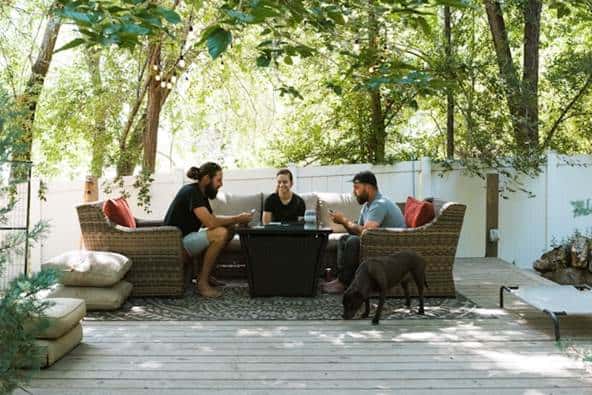
As outdoor living grows more important, homeowners are also prioritizing privacy. Thoughtful landscaping, fencing, pergolas, and screening elements help create intimate environments that feel secluded and secure.
Vertical gardens, decorative partitions, and strategically placed greenery offer both beauty and privacy without making spaces feel closed off. Designers are increasingly balancing openness with enclosure to create comfortable outdoor retreats.
This desire for personal sanctuary reflects broader societal trends emphasizing rest, mental wellness, and the importance of private space in daily life.
The Future of Residential Design
Outdoor living spaces have become central components of how homes are designed, valued, and experienced. From smart technology and sustainability to wellness-focused amenities and multi-functional layouts, outdoor environments now influence nearly every aspect of modern residential planning.
As homeowners continue seeking comfort, flexibility, and stronger connections to nature, outdoor living trends will likely shape future housing developments even more dramatically. Architects, designers, and builders are responding by creating homes that embrace open-air experiences while maintaining the convenience and sophistication of contemporary living.
Ultimately, the growing emphasis on outdoor living reflects a deeper cultural shift toward homes that support relaxation, social connection, health, and personal fulfillment. Residential design is evolving beyond aesthetics alone, focusing instead on creating environments that enhance everyday life both indoors and out.