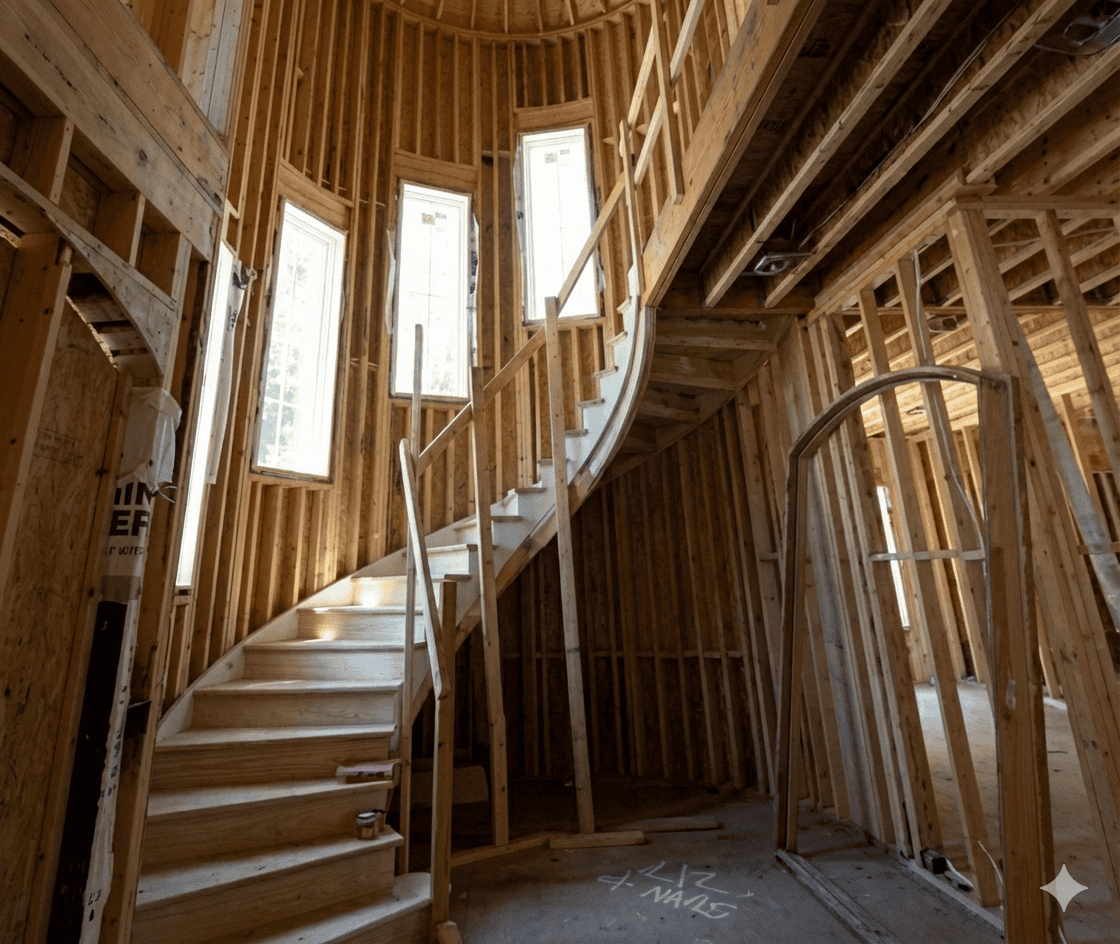


Building a custom home gives you the opportunity to create a space that reflects your tastes, routines, and priorities. From architectural details to interior finishes, every decision contributes to the character of the finished property. If you are planning to work with Maine home builders, it’s important to balance the features that make your house feel like home, yet will also appeal to future buyers.
Start With a Timeless Foundation
Some of the most influential decisions in custom home construction involve the home’s overall layout, architectural style, and permanent features. These elements are more difficult and expensive to change than paint colors, furniture, or decorative accessories.
A functional floor plan, comfortable room proportions, adequate storage, and a practical connection between living spaces can serve homeowners well for years. Open layouts remain popular with many buyers, but a successful design does not necessarily require removing every wall. Defined spaces for working, relaxing, cooking, and gathering can make a home more adaptable to different lifestyles. Research from the National Association of Home Builders on features homebuyers want highlights the continued appeal of practical features such as laundry rooms, pantry storage, and functional living spaces.
Exterior materials, rooflines, window placement, and other prominent features establish the home’s overall appearance. A distinctive design can stand out, but overly elaborate details may limit its appeal or increase maintenance costs.
The home’s position on its lot also influences how it functions over time. Considering the property’s orientation early in the design process can help homeowners make more informed decisions about sunlight, comfort, and the relationship between indoor and outdoor spaces.
Homeowners can express their style through complementary materials, distinctive lighting, and carefully selected architectural accents without making the entire property dependent on a narrow design trend.
Personalize the Details That Are Easier to Change
One of the most effective ways to balance individuality and resale value is to personalize elements that can be updated without major construction changes.
Paint colors, wallpaper, cabinet hardware, light fixtures, window treatments, and decorative finishes offer plenty of opportunities to reflect personal taste. Someone who loves bold colors can incorporate them into a powder room, accent wall, or selected cabinetry rather than committing every room to the same dramatic palette.
The same principle applies to interior finishes. Maybe you prefer a distinctive tile pattern, colorful backsplash, or statement light fixture. These choices can give your home character while leaving the surrounding materials relatively neutral and adaptable.
Neutral does not have to mean bland. Natural wood, textured finishes, interesting stone, and layered lighting can create warmth and visual interest without feeling overly specific to one owner’s preferences. The National Association of Home Builders’ research on homebuyer preferences also highlights the importance of personalization and flexible spaces, underscoring the value of creating a home that feels distinctive while remaining adaptable. As tastes change, smaller decorative updates can refresh the interior without requiring extensive remodeling.
Invest in Kitchens and Bathrooms With Care
Kitchens and bathrooms often influence how buyers perceive a home’s condition, functionality, and overall quality. They are also among the more expensive spaces to renovate, making their design especially important during custom construction.
Prioritize durable materials, practical storage, adequate lighting, and layouts that support everyday use. Well-organized cabinets, convenient work surfaces, accessible storage, and appropriately placed appliances can improve the kitchen experience regardless of the homeowner’s preferred style.
In bathrooms, good ventilation, sufficient storage, quality fixtures, and easy-to-maintain surfaces are valuable considerations. Features such as a spacious shower or a well-designed primary bathroom can enhance daily comfort while appealing to a range of prospective buyers.
Personal style can still play a role here. Unique cabinet colors, decorative tile, distinctive hardware, and carefully chosen finishes can make these rooms memorable. The key is to avoid spending heavily on highly specialized features that may be expensive to replace or offer limited practical value.
Consider Energy Efficiency and Long-Term Maintenance
Resale value depends on more than appearance. A home’s operating costs and maintenance requirements can influence its appeal to future buyers.
During construction, consider investing in appropriate insulation, effective air sealing, energy-efficient windows, properly designed heating and cooling systems, and moisture management. These features can improve the overall comfort of the home and help control energy use.
Roofing, siding, flooring, and exterior trim should be durable, keeping maintenance needs, climate suitability, and overall cost in mind. A less expensive material may require more frequent repairs or replacement, while a higher-quality option may provide better value over its useful life.
Although energy-efficient features do not guarantee a specific resale premium, they can make a home more attractive to buyers who value comfort, predictable operating costs, and long-term performance.
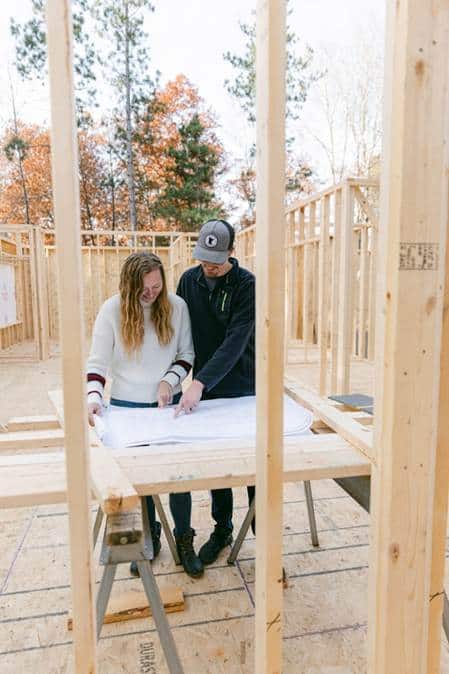
Avoid Overbuilding for the Neighborhood
A large home with highly specialized amenities may be appropriate for a particular property or lifestyle. However, expensive additions do not always translate into an equivalent increase in resale value. Home theaters, extensive indoor recreational spaces, or highly customized rooms may appeal strongly to some buyers while holding less value for others.
Before committing to major upgrades, consider your home’s location, nearby properties, likely buyer expectations, as well as the construction budget. A real estate professional familiar with the local market can help identify features that tend to attract buyers and improvements that may be difficult to recover at resale.
This does not mean avoiding every unusual feature. It means understanding the difference between building something because it meaningfully improves daily life and assuming every dollar spent will increase the home’s future selling price.
Design for the Life You Want and the Flexibility You May Need
The strongest custom home designs accommodate both current priorities and changing circumstances. A spare bedroom that can function as a home office, a flexible bonus room, or a first-floor space that can serve multiple purposes may remain useful as household needs evolve.
Storage, convenient circulation, natural light, and accessible features can also support long-term livability. These practical considerations often have value beyond any particular decorating trend because they make the home easier to use.
Ultimately, balancing personal style with resale value comes down to making deliberate choices. Invest in the home’s structure, layout, functionality, and performance. Express individuality through finishes and details that can evolve over time. By distinguishing between features that improve everyday living and those that simply follow a passing trend, homeowners can create a custom home that feels personal now while remaining appealing and adaptable for years to come.