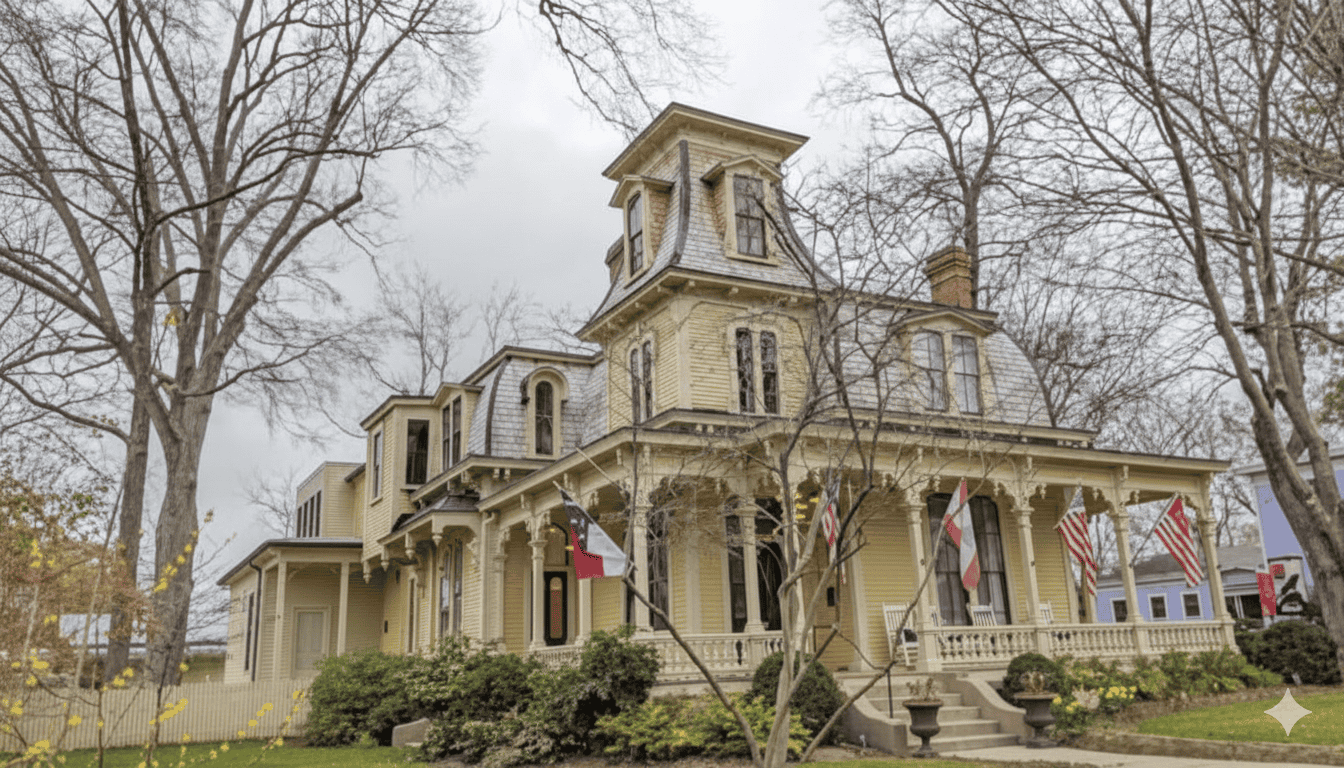


Residential architecture in Maine is deeply connected to the region’s history, climate, and landscape. From rugged coastlines and dense forests to historic towns and rural farmland, Maine’s environment has shaped the way homes are designed and built for generations. Today, architects and homeowners often draw inspiration from traditional regional styles while incorporating modern features that enhance comfort and efficiency.
Many property owners collaborate with experienced building contractors in Maine to ensure their homes reflect both the architectural heritage of the region and the practical demands of northern living. The result is a distinctive blend of timeless design traditions and contemporary innovation that continues to define residential construction throughout the state.
The Influence of the Environment on Architectural Design
Winters in New England can be long and harsh, with significant snowfall and cold temperatures. As a result, custom homes are often designed with steeply pitched roofs to shed snow, durable exterior materials capable of withstanding moisture and wind, and layouts that maximize insulation and energy efficiency.
Maine is known for its remarkable natural beauty. Thoughtful design elements, such as expansive windows, covered porches, and careful site orientation, allow homeowners to fully embrace their surroundings, taking in views of forests, lakes, mountains, and the Atlantic coastline. This close relationship between architecture and landscape is a defining element of residential design throughout the state.
The Enduring Appeal of the New England Colonial
One of the most recognizable architectural styles in Maine is the New England Colonial. Rooted in early American settlement, Colonial homes reflect a practical approach to design that prioritizes symmetry, simplicity, and durability.
These homes typically feature rectangular footprints, two or more stories, and steep gable roofs. Their symmetrical façades often include evenly spaced windows and a centrally located front door. Chimneys historically played a central role in Colonial homes, providing heat during Maine’s cold winters.
Exterior materials frequently include wood clapboard siding or shingles, painted in traditional colors such as white, gray, or muted earth tones. The straightforward design and balanced proportions of Colonial homes continue to appeal to homeowners who value classic architectural aesthetics.
Today’s interpretations of the style often include modern interior layouts while preserving the exterior character that has defined the region for centuries.
Cape Cod Homes and Their Practical Simplicity
Closely related to Colonial architecture, Cape Cod–style homes are another hallmark of residential design in Maine. Originally developed in the northeastern United States during the 17th century, these homes were designed to withstand coastal weather conditions.
Cape Cod houses are typically one or one-and-a-half stories tall, with steeply pitched roofs and dormer windows that provide additional living space in the upper level. Their compact form makes them particularly energy-efficient, which is an important consideration in cold climates.
The simplicity of the Cape Cod style has made it enduringly popular. Wood shingles, modest decorative details, and functional layouts create homes that feel both traditional and welcoming. Many modern versions incorporate open interior spaces and expanded kitchens while maintaining the recognizable rooflines and proportions associated with the style.
Farmhouse Architecture
Rural landscapes throughout New England are dotted with farmhouses. These homes were historically designed for functionality, often serving as the central structure in working farms that included barns and outbuildings.
Farmhouse architecture typically features simple rectangular layouts, gable roofs, and large front porches. White-painted wood siding is common, giving these homes a clean and timeless appearance.
One distinctive element is the tradition of connected buildings. In many historic properties, the main house is attached to a series of additions that lead to barns or workshops. This configuration allowed residents to access agricultural buildings during harsh winter weather without venturing outside.
Modern farmhouse design has gained widespread popularity in recent years. Contemporary interpretations often incorporate large kitchens, open living spaces, and expansive windows while preserving traditional exterior elements such as board-and-batten siding and metal roofing.
Shingle Style Homes Along the Coast
Coastal regions of Maine are particularly associated with the Shingle Style, an architectural movement that emerged in the late 19th century. These homes are often found in seaside communities and are known for their relaxed, organic appearance.
Shingle Style houses are characterized by wood shingles that cover both the roof and exterior walls, creating a continuous surface that blends with the surrounding landscape. The style often features irregular rooflines, asymmetrical layouts, and large porches designed to capture ocean views and coastal breezes.
Unlike more formal architectural traditions, Shingle Style homes emphasize harmony with the natural environment. Their design often includes expansive windows, curved walls, and multiple rooflines that create visual interest without relying on ornate decorative details.
Today, Shingle Style architecture remains a popular choice for waterfront properties in Maine, offering a timeless aesthetic that complements the rugged beauty of the coastline.
Contemporary and Modern Designs
While traditional styles remain influential, contemporary architecture has become increasingly common in residential design. Modern homes often prioritize clean lines, open spaces, and strong connections between indoor and outdoor environments.
These designs frequently incorporate large glass panels, minimalist detailing, and natural materials such as wood, stone, and steel. The goal is often to create a home that feels integrated with its surroundings while maximizing natural light and energy efficiency.
Contemporary homes often incorporate sustainable design principles, including advanced insulation systems, solar energy integration, and environmentally responsible materials. These features reflect growing interest in reducing environmental impact while maintaining comfort in a challenging climate.

Coastal Cottage Design
Another architectural style commonly associated with New England is the coastal cottage. These homes are typically smaller in scale and designed to serve as seasonal retreats or vacation residences.
Coastal cottages often feature simple forms, light-colored exteriors, and inviting porches that encourage outdoor living. Large windows allow residents to enjoy ocean views and natural light.
Interior layouts tend to emphasize relaxed, comfortable living spaces that accommodate gatherings of family and friends. Nautical-inspired design elements, such as beadboard walls and weathered wood finishes, are frequently incorporated to reflect the maritime character of the region.
Blending Tradition with Modern Innovation
Many new homes in Maine do not adhere strictly to a single architectural style. Instead, designers often combine elements from several traditions to create residences that feel both timeless and contemporary.
For example, a home may incorporate the symmetrical façade of a Colonial structure while using the natural materials and expansive windows associated with modern design. Similarly, farmhouse exteriors may conceal interiors that feature open floor plans, smart home technology, and advanced energy systems.
This blending of styles allows homeowners to respect the architectural heritage of Maine while adapting their homes to modern lifestyles and expectations.
Preserving Maine’s Architectural Identity
Across the state, architectural traditions continue to shape the character of residential neighborhoods and rural landscapes alike. Historic preservation efforts in many communities help maintain the distinctive qualities that define Maine’s built environment.
Local planning boards and preservation organizations often encourage design approaches that respect regional aesthetics, particularly in historic districts and coastal towns. These efforts help ensure that new construction complements existing structures and preserves the visual identity of communities.
At the same time, advances in construction techniques and materials provide opportunities to improve energy efficiency, comfort, and sustainability without sacrificing architectural character.
A Distinctive Architectural Legacy
Residential design in Maine reflects a rich combination of history, environment, and cultural influence. From the balanced proportions of Colonial homes to the rustic charm of timber structures and the relaxed elegance of coastal cottages, the state’s architectural styles offer a diverse and enduring legacy.
These traditions continue to evolve as new generations of homeowners and designers reinterpret classic forms to meet modern needs. By blending heritage with innovation, Maine’s residential architecture remains both distinctive and adaptable.
Ultimately, the homes found throughout the state are more than just structures, they are reflections of the landscapes, traditions, and lifestyles that define life in one of New England’s most scenic and historically rich regions.