
For many first-time buyers, constructing a new home represents both an exciting milestone and an unfamiliar process filled with decisions, timelines, and terminology that can feel overwhelming at first. Unlike purchasing an existing house, new construction requires active involvement from the earliest planning stages through final walkthrough. In regions with distinct climates and regulatory environments, such as those served by experienced home builders in Maine, the process can be especially nuanced, making preparation and understanding essential from the outset.
Understanding the Difference Between Buying and Building
The most important adjustment for first-time buyers is recognizing that constructing a home is not a single transaction but a sequence of coordinated steps. When buying an existing home, most decisions are made before an offer is submitted. With new construction, choices are layered over time, from lot selection and floor plans to finishes and mechanical systems. Each decision can affect cost, schedule, and long-term satisfaction, which means buyers must be prepared for a more hands-on role.
Construction also introduces variables that do not exist in traditional purchases. Weather, material availability, inspections, and permitting can influence timelines. While builders provide structure and guidance, first-time buyers benefit from understanding that flexibility and patience are part of the experience.
Budgeting Beyond the Base Price
One of the most common surprises for new buyers is discovering that the advertised base price of a home rarely reflects the final cost. Base pricing typically includes standard layouts, materials, and finishes. Customizations, upgrades, and site-specific work can add significantly to the overall investment.
Beyond design choices, buyers should plan for costs related to land preparation, utility connections, permits, impact fees, and inspections. Landscaping, driveways, fencing, and window treatments are often not included in construction contracts but are essential for a fully functional home. A realistic budget includes contingency funds to account for unexpected expenses that may arise during the build.
Understanding how and when payments are due is also critical. Construction loans often operate differently from traditional mortgages, with funds released in stages as work is completed. Buyers should take time to understand draw schedules, interest payments during construction, and how the loan transitions to permanent financing once the home is complete.
Selecting the Right Location and Lot
The lot itself plays a significant role in shaping the construction process. Factors such as soil conditions, slope, drainage, and access can influence foundation design and site preparation costs. First-time buyers sometimes focus heavily on the home design without fully considering how the land will affect construction complexity.
Zoning regulations, setbacks, environmental protections, and local building codes vary by municipality and can limit what can be built on a given parcel. Understanding these constraints early helps avoid costly redesigns later. Buyers should also consider practical elements such as proximity to schools, employment centers, healthcare, and services, as these factors affect daily life long after construction is finished.
Navigating Design and Floor Plan Decisions
Designing a new home is often one of the most enjoyable parts of the process, but it can also be the most challenging. First-time buyers are frequently presented with a wide range of options, from structural layouts to minor aesthetic details. Decisions made during this phase have long-term implications for functionality, energy efficiency, and resale value.
Buyers should focus first on how they plan to live in the home rather than current trends. Room sizes, storage needs, accessibility, and future family plans should guide layout choices. It is often easier and less expensive to incorporate features such as additional electrical outlets, larger doorways, or flexible spaces during construction than to modify them later.
Energy efficiency and mechanical systems deserve particular attention. Choices related to insulation, heating, cooling, and ventilation affect comfort and operating costs for decades. First-time buyers benefit from asking questions and understanding how these systems work together rather than viewing them as technical details outside their control.
Understanding the Construction Timeline
Construction timelines are influenced by many factors, and first-time buyers should be prepared for variability. While builders provide estimated completion dates, delays can occur due to weather conditions, supply chain disruptions, labor availability, or inspection scheduling.
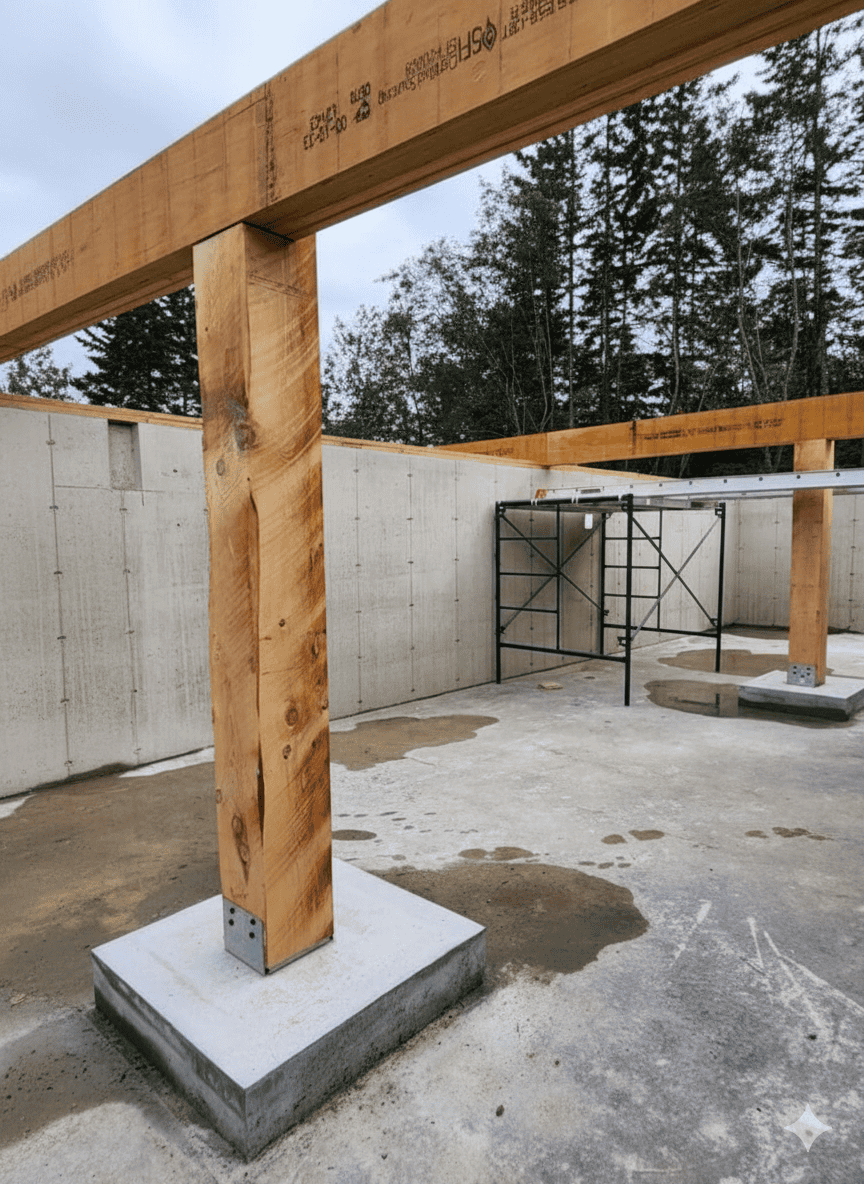
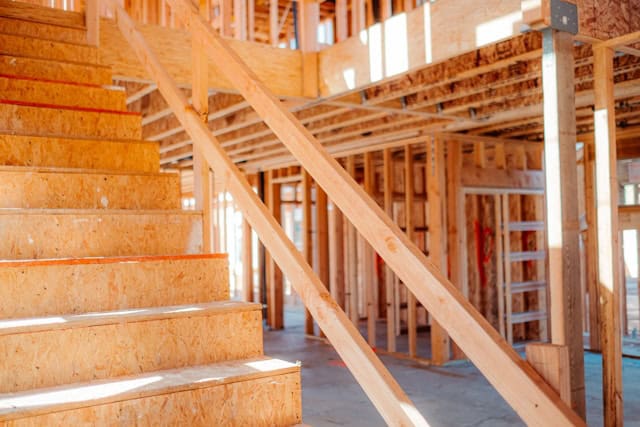
The process typically begins with site preparation and foundation work, followed by framing, roofing, and exterior systems. Once the structure is weather-tight, interior work such as electrical, plumbing, insulation, drywall, and finishes begins. Each phase depends on the completion and inspection of the previous stage, making coordination essential.
Regular communication helps buyers stay informed and manage expectations. Site visits are often allowed at specific milestones, but safety and scheduling considerations may limit access at certain times. Understanding that construction is a sequential process helps reduce frustration when progress appears uneven.
Permits, Inspections, and Compliance
Permitting and inspections are an integral part of new construction, ensuring that homes meet safety, structural, and energy standards. While builders typically manage this process, first-time buyers benefit from understanding its role and importance.
Inspections occur at multiple stages, including foundation, framing, mechanical systems, and final completion. These inspections protect buyers by verifying that work meets code requirements. However, they can also introduce delays if corrections are required. Buyers should view inspections not as obstacles but as safeguards that contribute to the long-term quality and safety of the home.
Local regulations may also require specific documentation related to environmental impact, septic systems, or energy performance. Awareness of these requirements helps buyers appreciate why certain steps take time and why shortcuts are not an option.

Making Selections and Managing Decision Fatigue
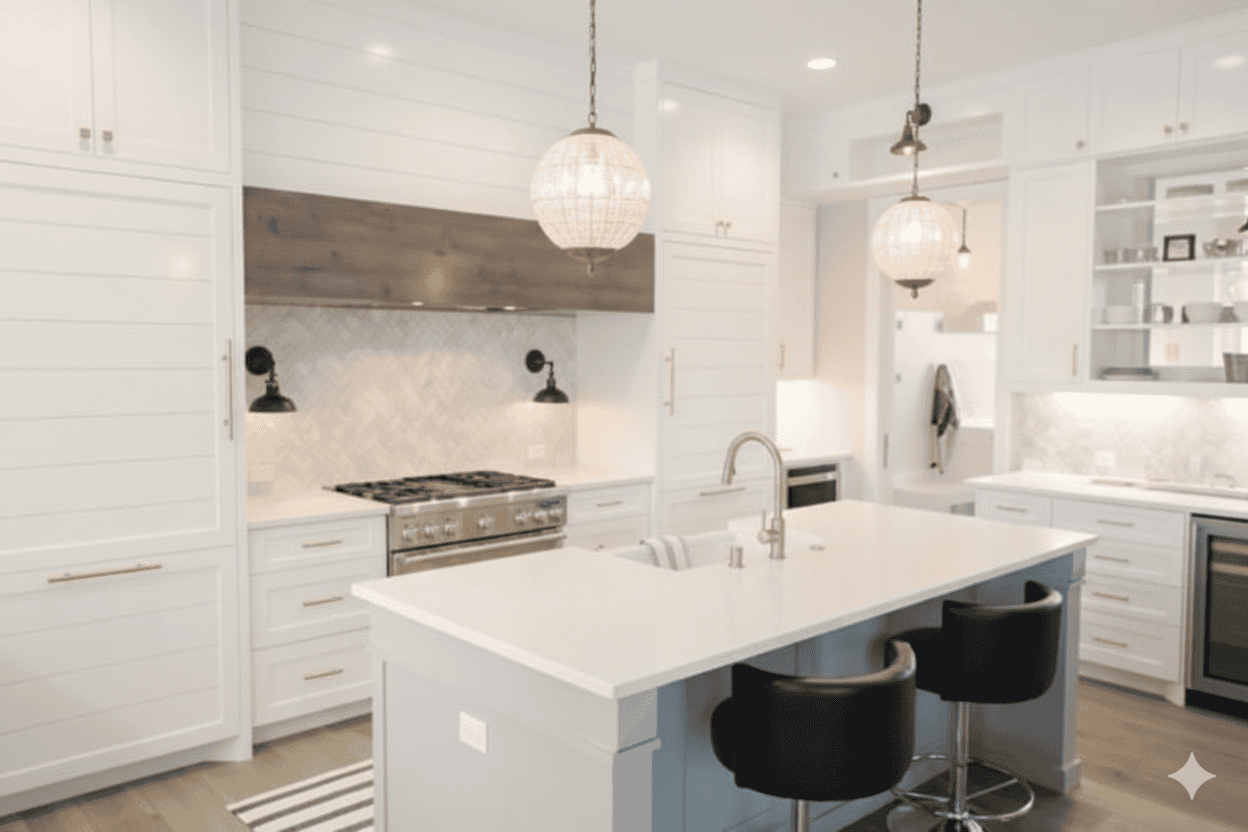
One underestimated challenge for first-time buyers is decision fatigue. Over the course of construction, buyers may be asked to make dozens of choices regarding flooring, cabinetry, fixtures, hardware, colors, and finishes. While each decision may seem minor, collectively they shape the character and functionality of the home.
Successful buyers approach this phase with preparation and priorities. Creating a cohesive vision early, understanding what is most important, and being willing to accept standard options in less critical areas can reduce stress. Design consultations, sample reviews, and visualization tools can help buyers make confident choices without becoming overwhelmed.
Communication and Expectations
Clear communication is essential throughout the construction process. First-time buyers should understand how updates are provided, who to contact with questions, and how changes are handled. Change orders, which modify the original contract, can affect both cost and timeline, making it important to understand their implications before approving them.
Setting realistic expectations helps maintain a positive experience. Construction is a complex process involving many professionals and moving parts. While issues may arise, timely communication and a collaborative approach often lead to effective solutions.
The Final Walkthrough and Moving In
As construction nears completion, buyers participate in a final walkthrough to review the home and identify any remaining issues. This is the time to verify that agreed-upon features are installed correctly and that systems are functioning as intended. Minor adjustments and touch-ups are common and typically addressed before or shortly after move-in.
First-time buyers should also familiarize themselves with warranties, maintenance schedules, and operating manuals for appliances and systems. New homes require ongoing care, and understanding how to maintain them protects the investment over time.
Looking Beyond Move-In Day
Constructing a new home does not end on move-in day. Landscaping, seasonal adjustments, and settling-related maintenance may occur during the first year. Builders often provide follow-up support to address issues that arise as the home adjusts to occupancy and changing weather conditions.
For first-time buyers, the experience of constructing a home is both educational and transformative. It offers the opportunity to shape a living space from the ground up while gaining insight into how homes are designed, built, and maintained. With preparation, patience, and clear expectations, the process can be a rewarding path to long-term stability and comfort.