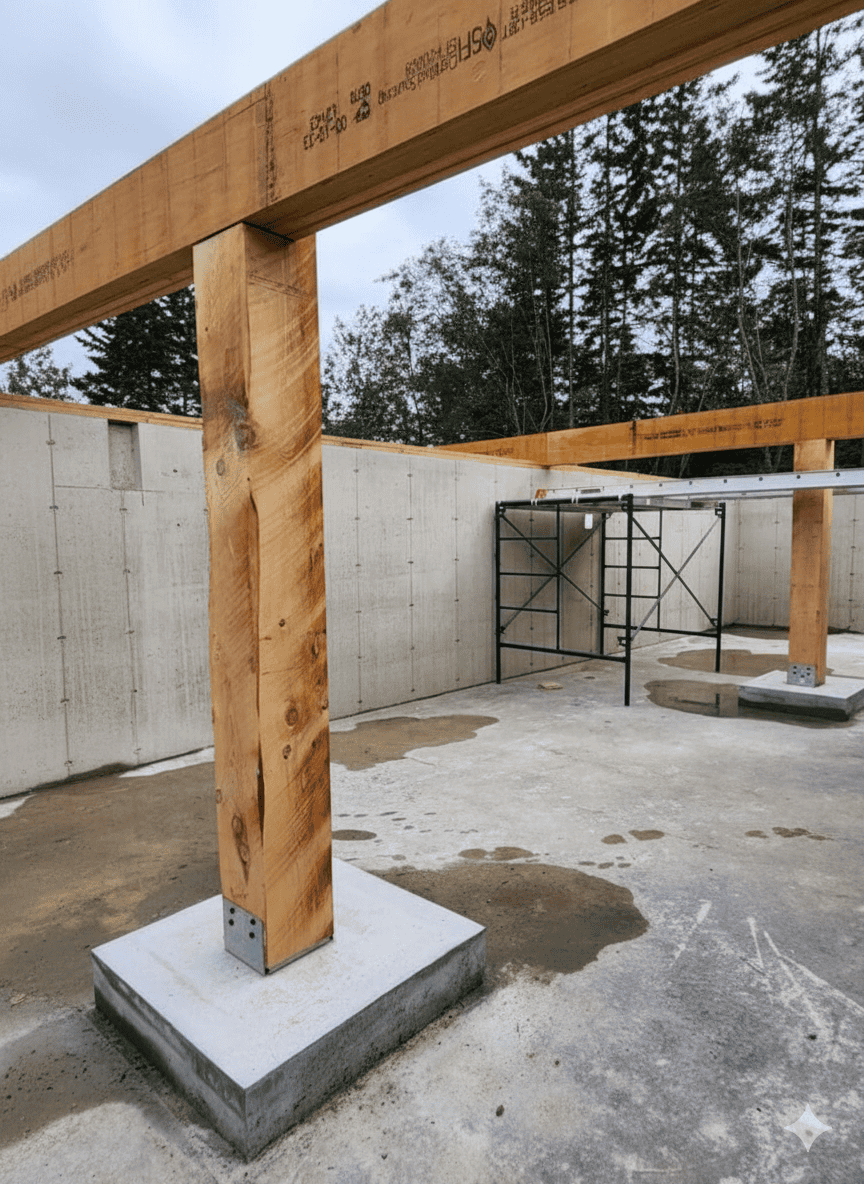

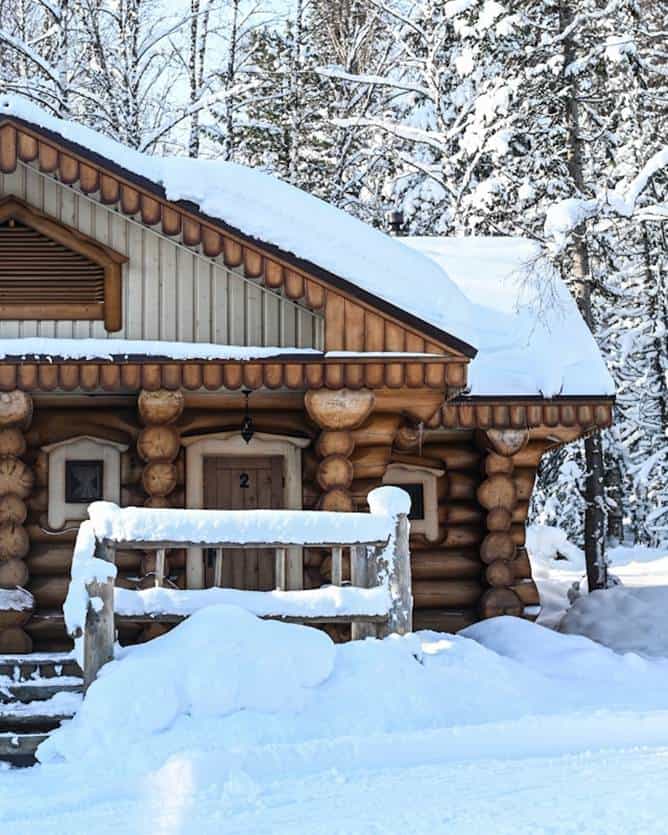
Winter has long been viewed as an off-season for residential construction, a time when progress slows and projects pause until warmer weather returns. Yet in cold-climate regions, winter building is not only common, it is often unavoidable. For Maine home builders like us, winter schedules are a practical reality shaped by climate, labor availability, material logistics, and year-round demand. Understanding how the season affects planning, timelines, and decision-making is essential for anyone involved in residential development, from property owners to project managers.
Rather than being a simple delay, winter weather introduces a distinct set of variables that must be accounted for early and managed carefully throughout the project lifecycle.
Why Construction Continues Through Winter
Construction projects no longer have to shut down completely when temperatures drop. Advances in building materials, equipment, and techniques allow many phases of our work to continue safely and effectively in cold weather. Housing demand does not pause seasonally, and project pipelines are often too full to accommodate an extended downtime.
In regions with long winters like New England, stopping work for several months would push delivery timelines far beyond acceptable ranges. As a result, winter construction has a more strategic phase that requires deliberate planning rather than improvisation.
Adjusting Project Timelines for Cold Weather
This time of year, schedules typically require longer timelines than comparable warm-season projects. Shorter daylight hours reduce available working time, while weather-related disruptions, such as snowstorms, freezing rain, or extreme cold, can halt work altogether on certain days.
Our project planners often build additional buffer time into our winter schedules to account for these variables. Tasks that are sensitive to temperature, such as concrete pours or exterior finishes, may need to be rescheduled or phased differently. This can lead to a more segmented workflow, where interior work is prioritized once the structure is enclosed preferably prior to winter. In some cases, exterior elements may need to wait for improved conditions.
Effective winter planning acknowledges that productivity may fluctuate and avoids rigid scheduling that leaves no room for adjustment.
Site Preparation Challenges in Winter
One of the most significant impacts of winter construction is felt during site preparation. Frozen ground complicates excavation, grading, and foundation work. Heavy equipment can still operate, but progress may be slower, and additional measures, such as ground thawing or frost protection, may be required.
Snow removal becomes a recurring task, not a one-time event. Access roads, staging areas, and work zones must be kept clear to ensure safety and maintain workflow. These tasks add time and cost, reinforcing the importance of factoring winter-specific site management into early planning stages.
Foundation Work and Cold-Weather Concrete
Concrete is particularly sensitive to temperature, making foundation work one of the most carefully managed aspects of winter construction. Cold conditions slow curing and increase the risk of cracking if concrete freezes before it gains sufficient strength.
To mitigate these risks, our crews may use heated enclosures, insulated blankets, or specialized concrete mixes designed for low temperatures. These solutions are effective but require coordination, monitoring, and additional expense. As a result, decisions about when and how to pour foundations are often made well in advance, with contingency plans in place.

Material Logistics and Supply Chain Considerations
Weather can also affect not only the job site but also the broader supply chain. Transportation delays caused by storms can disrupt delivery schedules, particularly for large or custom-ordered materials. Planning often involves ordering materials earlier than usual and maintaining flexible delivery windows.
Storage also becomes more critical. Certain materials must be protected from moisture and freezing temperatures, requiring secure, climate-controlled storage solutions. Without proper planning, damaged materials can lead to costly replacements and schedule setbacks.
Proactive coordination with suppliers helps reduce uncertainty and ensures that critical components are available when needed.
Labor Availability and Workforce Management
Winter can influence labor availability in several ways. Some trades experience seasonal slowdowns, while others remain in high demand year-round. Cold weather also places additional physical demands on workers, making safety and fatigue management a essential priority.
Shorter days and harsh conditions may limit the number of productive hours crews can work, which can affect sequencing and staffing plans. Clear communication, realistic expectations, and attention to worker safety are essential to maintaining steady progress without increasing risk.
Well-managed winter schedules account for these human factors, recognizing that productivity is not solely a function of planning software or timelines.
Shifting the Focus to Interior Work
Once a building is framed, enclosed, and weather-tight, winter can be an efficient time to focus on interior construction. Plumbing, electrical, insulation, drywall, and finish work are largely unaffected by outdoor conditions.
In many cases, our building schedules are designed to reach enclosure as quickly as possible, allowing our interior trades to proceed with fewer weather-related interruptions. This approach keeps projects moving forward even when exterior work slows, balancing the overall timeline for our clients.
Temporary heating systems are commonly used during this phase, ensuring materials perform as intended and maintaining comfortable working conditions.
Cost Implications of Winter Construction
Winter conditions may also introduce different cost considerations. Expenses related to snow removal, heating, protective measures, and schedule extensions must be weighed against potential savings.
In some cases, labor rates may be more competitive, and scheduling flexibility can reduce peak-season pricing pressures. Additionally, completing certain phases during winter can position a project for faster completion once spring arrives, potentially delivering value through earlier occupancy.
Accurate budgeting requires a nuanced understanding of these trade-offs rather than a blanket assumption that winter work is always more expensive.
Risk Management and Contingency Planning
Weather is inherently unpredictable, making contingency planning a core component of winter construction scheduling. Our project managers are skilled in identifying critical path activities that are most vulnerable to delays and develop backup plans for sequencing or temporary shutdowns.
Clear documentation, regular schedule reviews, and transparent communication help ensure that adjustments are made proactively rather than reactively. Flexibility becomes a strength, allowing us to respond to conditions without derailing the entire project.

Long-Term Benefits of Winter Planning
While building in winter presents some challenges, it also encourages disciplined planning that benefits projects year-round. Having teams accustomed to managing cold-weather schedules develops stronger coordination, more realistic timelines, and better risk awareness.
These skills translate into improved performance during all seasons. Projects that successfully navigate winter conditions are often better positioned to meet deadlines, control costs, and adapt to unexpected changes.
Rather than viewing winter as an obstacle, we see it as a proving ground for effective project management.
A Season That Shapes Strategy
Winter construction schedules are not simply compressed versions of summer plans. They require a distinct approach that accounts for climate, labor, materials, and safety in a comprehensive way. From early site preparation decisions to interior sequencing and contingency planning, winter shapes how projects are conceived and executed.
Understanding what winter schedules mean for project planning is ultimately about recognizing that successful construction is less about avoiding challenges and more about anticipating them.