
For years, Portland has been the crown jewel of Maine’s housing and development scene; a hub of culture, dining, and coastal charm that drew new residents, investors, and homebuyers alike. But while the city continues to grow, something remarkable is happening beyond its borders.
Across rural towns once considered too remote or underdeveloped, new neighborhoods are taking shape, construction permits are climbing, and local economies are stirring with activity. As remote work reshapes where and how people choose to live, the state’s quieter corners are experiencing a wave of growth unseen in decades. As Maine home builders, we are finding ourselves busier than ever, responding to a different kind of demand: space, sustainability, and a slower pace of life.
The New Geography of Growth
For generations, Portland represented the epicenter of modern living in Maine. Its working waterfront, vibrant downtown, and accessibility to amenities made it the natural choice for new residents and developers alike. Yet the surge in remote work combined with rising urban housing costs has redrawn Maine’s residential map.
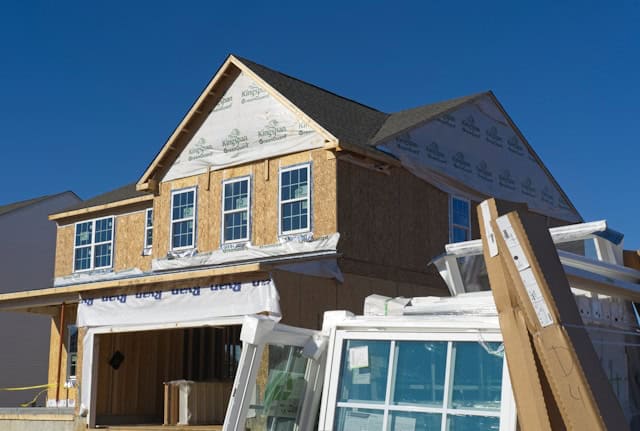
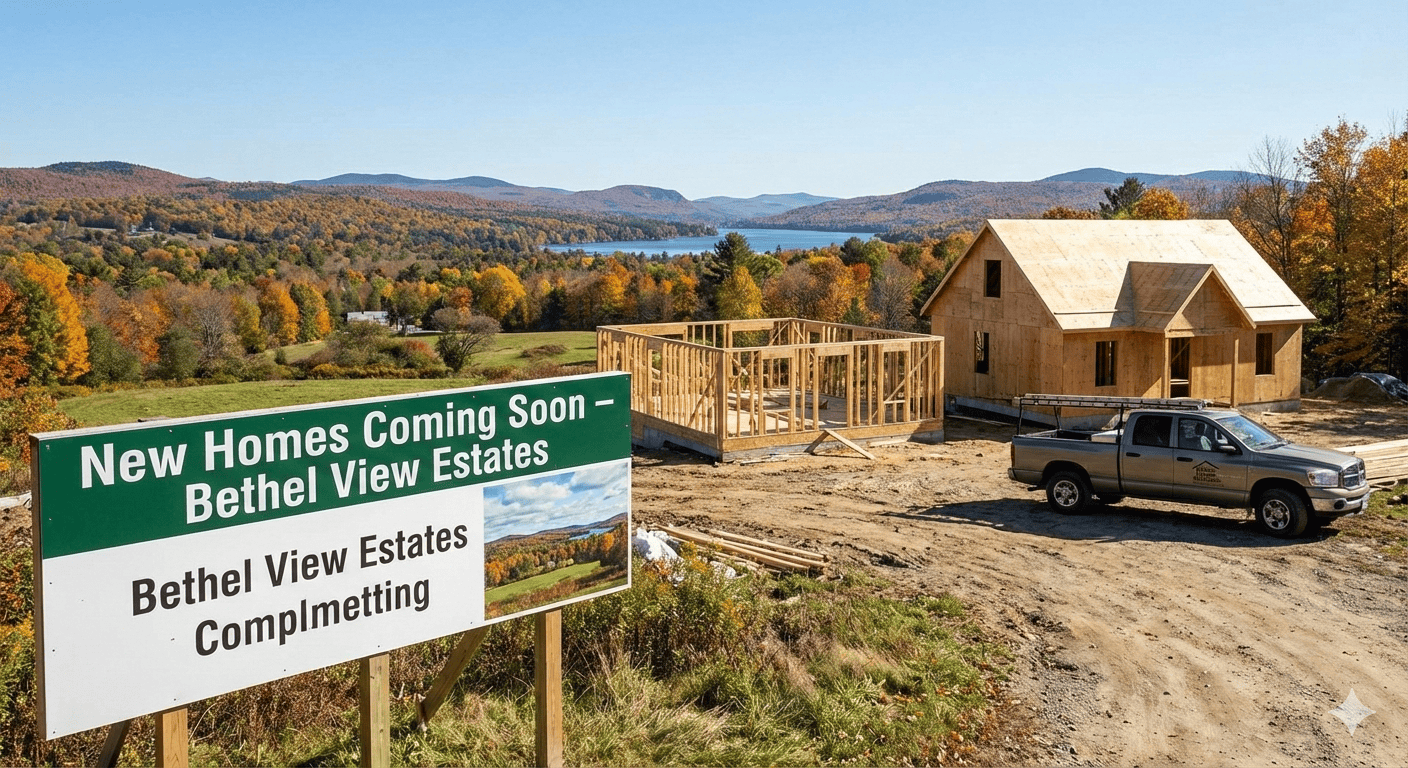
In towns like Bethel, Belfast, and Bridgton, new homes are springing up where open fields and forest lots once stood untouched. In more central and northern regions, many people are moving away from larger metro areas in search of permanent homes rather than seasonal getaways.
The number of new construction permits in rural counties has increased significantly over the past few years, with some smaller municipalities reporting growth rates not seen since the 1980s. This shift reflects an economic transformation.
Remote Work and the Great Maine Migration
The pandemic didn’t just change office life, it redefined geography. Once people realized they could keep their careers without remaining tied to city centers, they began seeking communities that offered affordability, outdoor space, and quality of life. Long known for its natural beauty and sense of tranquility, Maine quickly climbed to the top of the list.
New arrivals began exploring midcoastal towns, inland lakes, and forested stretches within a few hours’ drive of the coast. The appeal? A mix of solitude and stability.
Small-town living now appeals to telecommuters, entrepreneurs, and families looking for stronger community ties and cleaner environments. With reliable broadband access expanding statewide and infrastructure steadily improving, these areas no longer feel disconnected. In many ways, they represent the future of rural revitalization powered by lifestyle shifts.
The Economics Behind the Expansion
Portland’s housing costs have risen steadily over the past decade, making it increasingly difficult for first-time buyers to enter the market. As inventory tightened and prices spiked, buyers began looking outward.
In contrast, many rural areas still offer affordable land and fewer building restrictions, creating opportunities for both custom home construction and small-scale development. A single acre of land in counties like Oxford or Piscataquis can cost a fraction of a Portland lot, allowing for larger, more flexible builds.
Additionally, local governments have recognized the value of welcoming growth. Towns once hesitant to permit subdivision development are now streamlining approval processes and investing in public infrastructure like water, sewer, and broadband upgrades to attract residents.
This new balance between affordability, access, and quality of life has transformed how people think about “desirable” living in Maine.
Lifestyle-Driven Design
One of the most striking aspects of this shifting building landscape is the kind of homes being constructed. Current trends lean toward practical, efficient, and sustainable design. Our homes are built to reflect modern priorities rather than traditional square footage metrics.
We have seen increasing demand for:
- Energy-efficient homes with high insulation values, heat pumps, and solar-ready roofs.
- Flexible floor plans that accommodate both remote workspaces and family living.
- Modest footprints that emphasize craftsmanship, natural light, and integration with the surrounding landscape.
- Local materials, like Maine-sourced wood and stone, used to reflect regional identity and minimize environmental impact.
This design shift aligns with the broader ethos here in Maine – self-reliant, sustainable, and connected to nature.
The Ripple Effects on Local Communities
With population growth comes transformation. Rural New England towns are experiencing renewed vitality as new residents bring business opportunities, cultural diversity, and economic stimulus. Restaurants, small shops, and local contractors are seeing increased demand, while schools and community organizations gain stability from an influx of younger families.
For towns that once struggled with population decline or aging demographics, this resurgence brings optimism but also challenges. Infrastructure must expand, housing availability must balance demand, and community identity must adapt without losing its roots.
Some have expressed concern over changing property values or shifts in local culture. However, careful planning and community engagement have helped ease these transitions, ensuring that growth enhances rather than disrupts the small-town character.
Infrastructure and Broadband
None of this expansion would be possible without one critical component: connectivity. In the past, limited broadband access was a barrier to rural living. But state and federal investments have changed that dramatically.
Maine has prioritized broadband expansion as part of its long-term economic development strategy, investing millions into bringing high-speed internet to underserved regions. This infrastructure upgrade has effectively unlocked large portions of the state for full-time residency, especially for remote workers who rely on virtual communication and data-heavy workflows.
Improved road maintenance, energy reliability, and even cell coverage have followed creating a foundation for sustainable rural growth that was once unthinkable.
Environmental and Sustainability Considerations
The state’s environmental ethos runs deep. Our modern construction projects often incorporate green certifications, efficient heating systems, and low-impact building techniques. Stormwater management, erosion control, and preservation of natural buffers are increasingly part of standard development plans.
We are also focusing on long-term resilience by designing homes that can handle extreme weather shifts, coastal flooding risks, and energy fluctuations. This kind of forward-thinking construction not only protects homeowners but also supports a broader commitment to environmental stewardship.
The Role of Local Builders and Craftspeople
The expansion beyond Portland has been a boon for Maine’s skilled trades. Local builders, carpenters, and craftspeople are experiencing renewed demand for their expertise, particularly those who understand the unique challenges of building in Maine’s climate and terrain.
This resurgence in demand has helped revitalize vocational programs and apprenticeship opportunities, ensuring that the next generation of tradespeople have both the skills and the incentive to stay in-state. It also strengthens local economies by keeping construction dollars within the community.
Why Reputation and Reliability Matter More Than Ever
With more first-time homebuilders entering the market, trust has become a cornerstone of the modern construction experience. Rural building projects often require careful coordination, from permitting and site preparation to managing seasonal timelines. Working with our experienced, reputable professionals ensures these complex details come together smoothly and sustainably.
A Balanced Future
Maine’s current building boom isn’t about urban sprawl or unchecked development. It’s about reimagining what modern life in the state can look like. It’s about blending progress with preservation and growth. The expansion beyond Portland represents more than shifting ZIP codes; it’s a reflection of changing values in how people define home, community, and work.
As more people discover Maine’s affordability, connection, and natural beauty, the state’s identity continues to evolve. Yet, even as towns grow and skylines change, the essence of Maine remains the same: a place where quality of life, craftsmanship, and a respect for the land guide every decision.
This building boom tells a larger story, not just of housing trends or remote work patterns, but of rediscovery. The small towns once overlooked are now writing the next chapter in Maine’s history, one thoughtful, well-built home at a time.